

The Ultimate Guide to Launching a SaaS Startup the software-as-a-service (SaaS) industry has grown a lot in recent years. More businesses are choosing online software over traditional installed solutions.
SaaS models offer many benefits, like lower costs, better scalability, and easier access. But, launching a successful SaaS startup is tough. It faces intense competition and fast-changing market needs.
A good launch strategy is key for a SaaS product’s success. It means knowing your audience, creating a strong value proposition, and using many marketing channels.
Key Takeaways
- Understand the benefits and challenges of the SaaS model.
- Develop a comprehensive launch strategy for your SaaS product.
- Identify your target audience and craft a compelling value proposition.
- Execute a multi-channel marketing approach for a successful launch.
- Continuously monitor and adjust your strategy based on market feedback.
Understanding SaaS and Its Market Potential
The global SaaS market is set to grow significantly. This growth is driven by the increasing need for cloud-based solutions. For any startup aiming to launch a successful software product, it’s crucial to grasp the SaaS model, its benefits, and current market trends.
What is SaaS?
Software as a Service (SaaS) is a way to distribute software. A third-party provider hosts the application, making it available over the internet. This approach means businesses don’t have to install or maintain software themselves. SaaS solutions are scalable, flexible, and cost-effective, appealing to businesses of all sizes.
Benefits of SaaS Models
The SaaS model brings many advantages, including:
- Reduced upfront costs: No big initial investments in software and hardware.
- Automatic updates: The provider takes care of updates and maintenance, ensuring users have the latest version.
- Scalability: Easily adjust to business needs by scaling up or down.
- Accessibility: Access applications from anywhere, on any device with an internet connection.
These benefits make SaaS solutions popular among businesses. When planning a SaaS product launch plan, knowing these advantages is key to showcasing your product’s value.
Key Market Trends to Consider
The SaaS market is shaped by several key trends:
- Increasing demand for cloud solutions: Businesses are moving to cloud-based infrastructure.
- Integration and interoperability: The need for seamless integration between different SaaS applications is growing.
- Security and compliance: As SaaS solutions handle sensitive data, security is a top priority.
- Artificial intelligence and machine learning: Incorporating AI and ML to enhance SaaS applications is becoming more common.
Keeping up with these trends is essential for developing best practices for SaaS launch. The global SaaS market is expected to grow at a compound annual growth rate of 12% from 2025-2030. This shows a huge potential for new entrants who are well-prepared with a comprehensive SaaS launch checklist.
Identifying Your Target Audience
Knowing your target audience well is crucial for a good SaaS marketing plan. To launch a SaaS product successfully, you must find and understand your ideal customers.
Market Research Techniques
Doing deep market research is key to finding your ideal customers and their problems. You can gather data through surveys, interviews, and online tools.
Some good ways to do market research include:
- Surveys to get info straight from potential customers
- Looking at competitors to see the market
- Listening to social media to see what customers think
Creating User Personas
After you’ve got your market research, it’s time to make user personas. These are detailed pictures of your ideal customers. They include things like who they are, what they do, and what they struggle with.
Creating user personas lets you tailor your marketing to fit your audience’s needs. This makes your SaaS launch marketing more effective.
| Persona Characteristics | Description |
|---|---|
| Demographic Information | Age, gender, location, job title |
| Challenges and Pain Points | Specific problems or needs that your SaaS solves |
| Behavioral Patterns | How they interact with your product or similar products |
By knowing your audience through research and personas, you can make a better pre-launch marketing plan. This sets your SaaS product up for a successful launch.
Developing Your Unique Value Proposition
A strong value proposition is key to a successful SaaS launch. It’s the base of your marketing, customer interaction, and brand. In a crowded market, standing out is vital. A unique value proposition helps you do just that.
What Makes Your SaaS Stand Out?
To craft a compelling value proposition, know what makes your SaaS unique. Identify your product’s unique strengths and the needs it meets for your audience. Think about these factors:
- Innovative features that solve problems better than others.
- A user experience that’s more intuitive or enjoyable.
- Integration with other tools or platforms that users need.
- Exceptional customer support or service.
As Forbes says, “A value proposition clearly states what unique value a company offers to its customers.”
“The most successful companies understand their customers’ needs and deliver value.”
Crafting an Effective Value Statement
Creating a good value statement needs clarity, simplicity, and knowing your audience. It should clearly state the benefits of your SaaS product. Here are tips for a strong value statement:
- Focus on benefits that matter to your audience.
- Use simple language that connects with your users.
- Emphasize what makes your SaaS unique and valuable.
- Make sure your value statement is the same everywhere.
By following these tips and understanding the importance of a unique value proposition, you can launch your SaaS product effectively. This will help you communicate your product’s value and attract your target audience. For more on SaaS launch strategies, check out resources with saas launch tips and advice on how to launch saas products well.
Building a Minimum Viable Product (MVP)
Creating an MVP is a smart move for SaaS startups. It lets them test their product idea with little cost. This way, entrepreneurs can check if their product and market idea work without spending too much.
Defining MVP Features
Choosing the right features for your MVP is key. It means picking the core functionalities that fix the main problem for users. To do this well:
- Do market research to know what users need.
- Put features in order of importance and how hard they are to make.
- Make a product that is good enough for early users.
This way, you create an MVP that works and is useful to your first users.
The Importance of Testing Your MVP
Testing your MVP is vital for getting feedback and seeing how users interact with it. This step is key for:
- Checking if your product and market idea are right.
- Finding bugs and what needs to get better.
- Improving your product to meet user needs better.
By testing your MVP, you can make choices based on data. This leads to a better SaaS launch.
Choosing the Right Technology Stack
The right technology stack is key to a great SaaS experience. Good SaaS launch marketing and SaaS pre-launch marketing need a solid tech base.
Essential Tools and Technologies
Building a SaaS product involves many tools and technologies. These include:
- Programming Languages: Such as Java, Python, or Ruby, which form the backbone of your application.
- Frameworks: Like React, Angular, or Vue.js for frontend development, and Express.js or Ruby on Rails for backend development.
- Databases: MySQL, PostgreSQL, or MongoDB for data storage and management.
- Cloud Services: AWS, Azure, or Google Cloud for hosting and scaling your application.
Factors to Consider When Selecting
Choosing a technology stack involves several key factors. These ensure your SaaS product meets its needs. Consider:
| Factor | Description | Importance |
|---|---|---|
| Scalability | The ability of the technology stack to scale with your growing user base. | High |
| Security | The level of security provided by the technology stack to protect user data. | High |
| Development Speed | How quickly you can develop and deploy features using the chosen technologies. | Medium |
| Cost | The total cost of ownership, including licensing fees, infrastructure costs, and maintenance. | Medium |
By evaluating these factors and picking the right stack, your SaaS product can succeed. These SaaS launch tips help make your product ready for the market. They also boost user adoption.
Implementing Pricing Strategies
Finding the right price is key to getting and keeping customers in the SaaS world. A good pricing plan boosts sales and helps keep customers coming back.
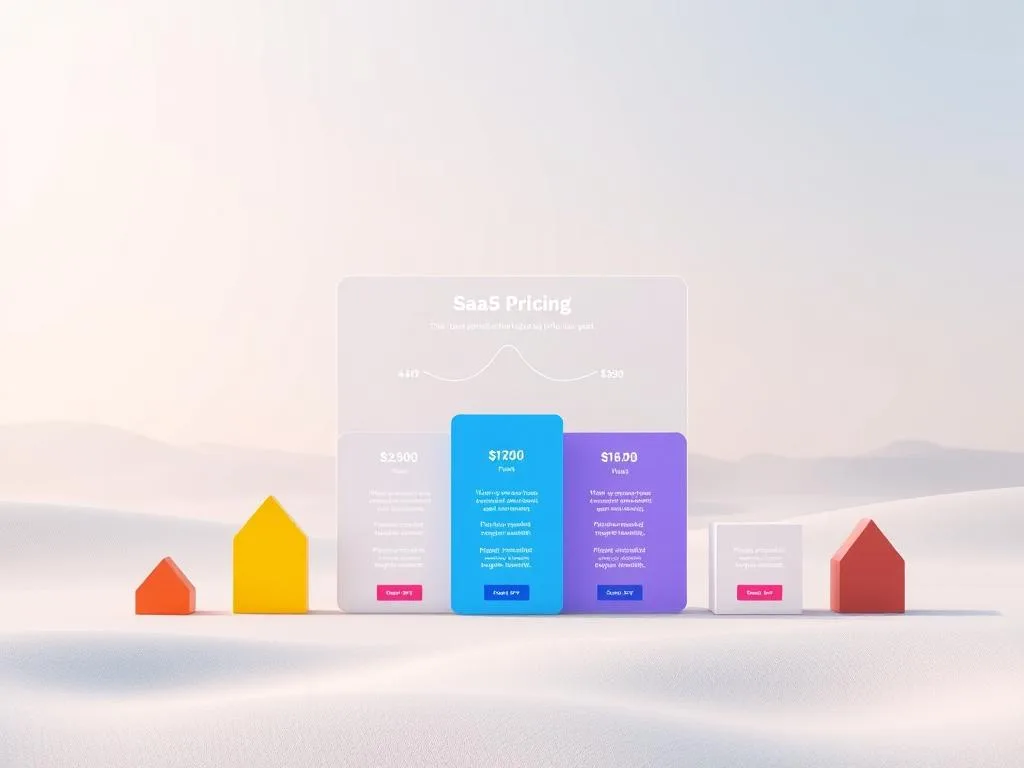
Common SaaS Pricing Models
SaaS companies use different pricing models to fit their products and customers. Here are some common ones:
- Flat Rate Pricing: A fixed fee for the product, no matter how much you use it.
- Per-User Pricing: Prices based on how many users you have.
- Usage-Based Pricing: You pay for how much you use the product.
- Tiered Pricing: Offers different levels with more features and support as you pay more.
Each model has its own benefits and fits different SaaS products. For example, flat rate pricing is easy, while tiered pricing lets you grow and change.
Tips for Setting Competitive Prices
Figuring out the right price for your SaaS needs understanding your market, product value, and competition. Here are some tips:
- Conduct Market Research: Know what your competitors charge and how your product stands out.
- Value-Based Pricing: Price your product based on the value it gives to customers.
- Test and Iterate: Be ready to change your price based on what customers say and market changes.
By thinking about these points and picking the right model, you can make your SaaS product successful in a tough market.
Crafting a Marketing Strategy
A successful SaaS launch needs a solid marketing strategy. You must plan to reach and engage your audience through various digital channels and content. This approach ensures your message is heard.
Knowing your audience is key. Understanding their needs and preferences helps you tailor your marketing. This means doing market research and creating detailed user personas.
Digital Marketing Channels
Choosing the right digital marketing channels is crucial. Some top channels include:
- Email marketing: Build an email list and send engaging campaigns to nurture leads.
- Content marketing: Create high-quality, relevant content that meets your audience’s needs.
- Paid advertising: Use targeted ads on Google Ads and social media to find potential customers.
- SEO: Make your website and content search engine-friendly to boost visibility and organic traffic.
Utilizing Content and Social Media
Content and social media are key to a successful strategy. Creating valuable content that speaks to your audience builds trust. It also positions your brand as a leader in your field.
| Content Type | Social Media Channel | Objective |
|---|---|---|
| Blog Posts | Twitter, LinkedIn | Drive traffic, engage audience |
| Videos | YouTube, Facebook | Explain complex concepts, showcase product features |
| Infographics | Instagram, Pinterest | Visualize data, simplify information |
By using these digital marketing channels and a strong content strategy, you can promote your SaaS product well. A well-thought-out saas pre-launch marketing strategy is key to a successful launch.
For more saas launch tips, focus on building a strong online presence. Engage with your audience through various touchpoints.
Launching Your SaaS Product
The launch of a SaaS product is a key moment. It needs careful planning. A good launch can help the product succeed.
Planning Your Launch Timeline
Having a detailed launch timeline is key. It sets clear goals and tasks for the team. This ensures a smooth launch.
To plan your timeline well, follow these steps:
- Plan pre-launch tasks like content creation and beta testing.
- Set up the launch day, including press releases and social media posts.
- Plan what to do after the launch, like supporting customers and gathering feedback.
A study by CB Insights shows poor timing is a top reason for SaaS failures. So, a solid launch plan is crucial.
“The way to get started is to quit talking and begin doing.” – Walt Disney
Strategies for a Successful Launch
To launch your SaaS well, use several strategies. These include digital marketing, engaging content, and social media.
| Strategy | Description | Benefits |
|---|---|---|
| Content Marketing | Creating valuable content to attract and engage the target audience. | Increases brand visibility, generates leads. |
| Social Media Campaigns | Utilizing social media platforms to promote the SaaS product. | Enhances brand awareness, drives traffic. |
| Influencer Partnerships | Collaborating with influencers to promote the SaaS product. | Expands reach, builds credibility. |
For more on SaaS launch strategies, check out Harvard Business Review or TechCrunch.
Post-Launch Considerations
Launching your SaaS product is just the start. It’s a journey of continuous improvement and adapting to what users need.
User Feedback and Improvement
Getting user feedback is key to making your SaaS better. It shows you what needs work and guides future updates. Use surveys and feedback forms to understand what users like and don’t like.
Strategies for Growth
To grow, think about improving user onboarding, keeping users engaged, and making decisions based on data. These steps can help your SaaS business grow.
Customer Support
Great customer support is essential for lasting success. It builds trust and loyalty. This can lead to more positive word-of-mouth, helping your SaaS product succeed.
Follow the best practices for SaaS launch and use a detailed checklist. This will lay a strong foundation for your product’s success. Focus on improving and keeping customers happy to drive growth and scaling.
FAQ
What is the best way to launch a SaaS product?
How do I determine the right pricing for my SaaS product?
What is the importance of market research in launching a SaaS product?
How do I create a successful SaaS launch plan?
What are the key elements of a SaaS pre-launch marketing strategy?
How do I measure the success of my SaaS launch?
What is the role of customer support in a SaaS launch?
How do I scale my SaaS business after launch?
About the Author